
Sources: Legal Defense Fund, Native American Rights Fund, Voto Latino, APIAVote
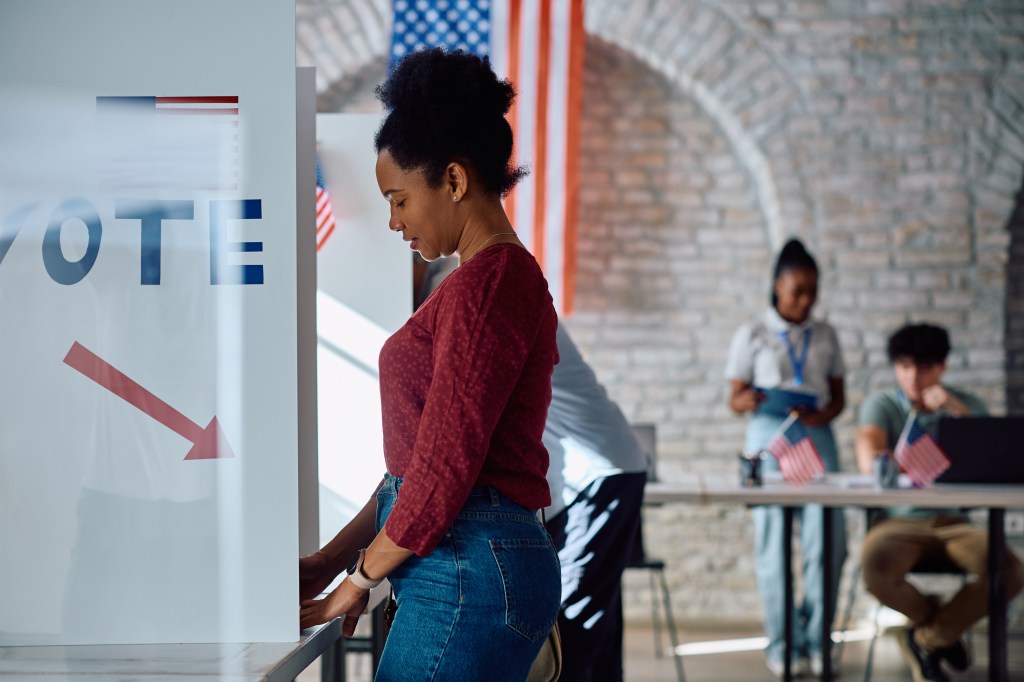
Protect your right to vote in 2024!
- Register to vote, it takes just 2 minutes! https://www.vote.org/
- Check that you are registered to vote and that no one has removed you from the voting rolls: https://iwillvote.com/
- Find out what’s on your ballot, request an absentee ballot, receive election reminders and more here: https://www.vote.org/
- Learn more about voting (in English, Spanish, Tagalog, and Chinese), including ID requirements and more here: https://iwillvote.com/
- Call the national, non-partisan Election Protection hotline (which is made up of over 300 national, state and local partners and administered by the Lawyers’ Committee for Civil Rights Under Law) for free advice to restore your right or report other obstacles to vote:
- 866-OUR-VOTE
- 888-VE-Y-VOTA (Spanish/English)
- 844-YALLA-US (Arabic/English)
- 888-API-VOTE (English, Mandarin, Cantonese, Korean, Vietnamese, Tagalog, Urdu, Hindi, and Bengali)
- Text MYVOTE to 866-687-8683 to get voting help from a trained volunteer
In 1963 Mississippi, Black people are paying poll taxes, taking literacy tests, losing their jobs, and facing threats and violence — all for trying to exercise their constitutional right to vote.
These were the conditions faced by Black Mississippians and many Black voters throughout the South as they sought to cast their ballots in the 1950s and 60s. And these deeply troubling experiences are what sparked the launch of the Freedom Summer Project of 1964, a voter registration and education campaign that challenged centuries of disenfranchisement and systemic racism against Black voters in the United States.
Organizers like civil rights leader Fannie Lou Hamer pushed for an integrated movement to bring national attention to the violence and disenfranchisement plaguing Black communities in the South. Out of the 1,000-plus volunteers who came to Mississippi to support the work of local advocates and civil rights leadership, the majority were white college students from the north.
Freedom Summer’s impacts were far-reaching. Local Black organizers and volunteers set up polling stations throughout the state and helped register voters and advise them of their rights. They worked in dozens of counties and towns, paying particular attention to historically underserved rural areas.
On the 60th anniversary of the Freedom Summer Project, voting rights, particularly those of people of color, are still under attack, and have even regressed after decades of progress.
When we vote, we not only exercise a critical democratic right but also honor the sacrifices of those who fought to ensure that every single American is afforded their voting rights.
Resources:
- The Legal Defense Fund offers resources to voters, including information on how to vote in person, secure an absentee ballot, research candidates and ballot initiatives, and become a volunteer. This information is available on LDF’s election resource website, www.ldf.vote.
- Vote.org is a website that allows you to check your voter registration, register to vote, see what’s on your ballot, get election reminders, and more.
- The Protecting Native American Voting Rights website by the Native American Rights Fund shares stories about Native voters, resources specific to Native voters, and existing challenges to Native voter rights. https://vote.narf.org
- Voto Latino Foundation provides voting resources and information in Spanish and runs innovative digital campaigns, culturally relevant programs, and authentic voices, programs and initiatives to empower Latinx voters. https://votolatinofoundation.org
- APIAVote partners with 80 Asian American, Native Hawaiian, and Pacific Islander serving organizations in 29 states to empower AANHPI communities to engage in the civic process, offering voter resources in Mandarin, Tagalog, Hindi, Punjabi, Korean, Vietnamese, Urdu, and Bengali. https://apiavote.org/
En 1963 en Mississippi, las personas afroamericanas pagaban impuestos al sufragio, tomaban pruebas de alfabetismo, perdían sus empleos y se enfrentaban a amenazas y violencia, todo para hacer valer su derecho constitucional de votar.
Los afroamericanos de Mississippi y muchos votantes afroamericanos del sur de EE. UU. se enfrentaron a estas dificultades al tratar de emitir sus votos en las décadas del cincuenta y sesenta. Y estas experiencias profundamente inquietantes fueron las que impulsaron el Freedom Summer Proyect (Proyecto Libertad de Verano) de 1964, una campaña de inscripción para votar y educación para votantes que desafió siglos de privaciones de derechos y racismo sistémico contra los votantes afroamericanos en EE. UU.
Organizadores tales como la líder de derechos civiles Fannie Lou Hamer lucharon por organizar un movimiento integrado para atraer la atención nacional a la violencia y privación de derechos que afectaban a las comunidades afroamericanas del Sur. La mayoría de los más de 1000 voluntarios que fueron a Mississippi para apoyar el trabajo de los defensores locales y los líderes de derechos civiles eran estudiantes universitarios blancos del norte de EE. UU.
Los efectos del Freedom Summer fueron trascendentales. Organizadores y voluntarios locales afroamericanos establecieron estaciones de votación en todo el estado y ayudaron a inscribir a los votantes e informarles sobre sus derechos. Trabajaron en docenas de contados y pueblos, prestando especial atención a las áreas rurales históricamente marginadas.
En el 60 aniversario del Freedom Summer Project, los derechos de votación, en especial los de las personas de color, siguen en peligro y han retrocedido después de décadas de progreso.
Cuando votamos, no solo hacemos valer un derecho democrático esencial, sino que también honramos los sacrificios de aquellos que lucharon por asegurar que cada estadounidense goce de sus derechos de votación.
Recursos:
- El Legal Defense Fund ofrece recursos para votantes, incluso información sobre cómo votar en persona, obtener una papeleta electoral para votar en ausencia, investigar a los candidatos e iniciativas electorales y convertirse en voluntario. Esta información está disponible en el sitio web de recursos electorales del LDF, www.ldf.vote.
- Vote.org es un sitio web que le permite verificar su inscripción para votar, inscribirse para votar, ver lo que hay en la boleta electoral, obtener recordatorios de las votaciones y mucho más.
- El sitio web Protecting Native American Voting Rights (Protegiendo los Derechos de Votación de los Nativoamericanos) del Native American Rights Fund comparte historias sobre votantes nativoamericanos, recursos específicos para ellos y habla de los desafíos actuales para los derechos de votante de esta población. https://vote.narf.org
- La Voto Latino Foundation (Fundación Voto Latino) ofrece recursos para votar e información en español y organiza campañas digitales innovadoras, programas culturalmente relevantes y voces auténticas, programas e iniciativas para empoderar a los votantes latinos. https://votolatinofoundation.org
- APIAVote colabora con 80 organizaciones que prestan servicios a los asiático estadounidenses, nativos de Hawái y nativos de las islas del Pacífico en 29 estados para empoderar a las comunidades AANHPI para participar en el proceso cívico, ofreciendo recursos para votantes en mandarín, tagalo, hindi, punjabi, coreano, vietnamita, urdu y bengalí. https://apiavote.org/
 Health Equity News
Leave a comment